

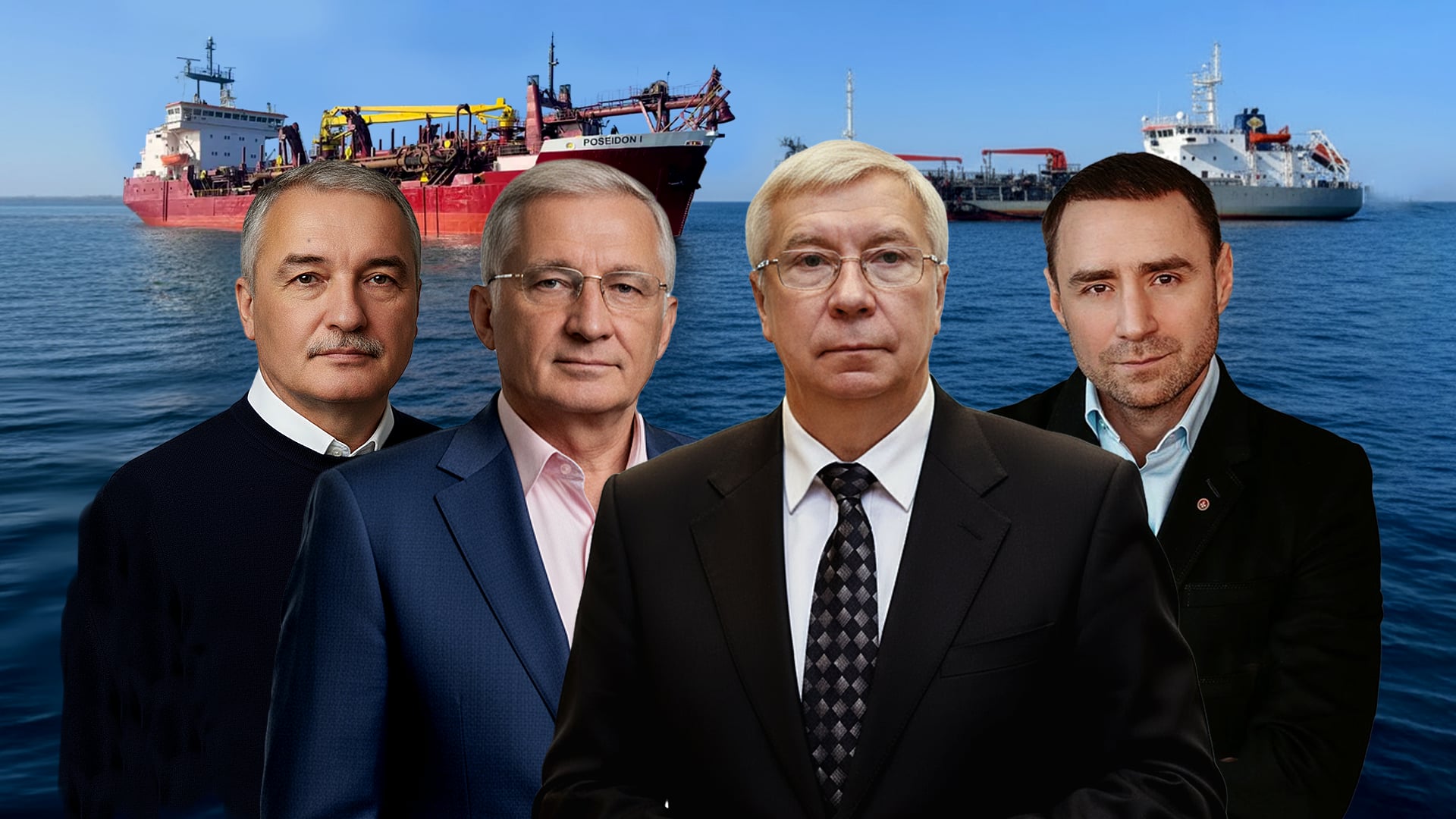
Bloody aggressor war of Russia against Ukraine is in full swing. The world is afraid that next Russian aggression will be against Baltic states. Meanwhile, port of one Baltic country contracted dredging works from company related to the business of retired FSB General, former head of the 5th Service of FSB, active in countries of former USSR.
No, it is not the plot for the new version of «Occupied». The Center for Journalist Investigations investigated networks of companies of EHT Group founded in dozens countries, and GDP Group with headquarters in Moscow. We call European governments and intelligence services to focus on potential security risks…
January 2006, Russian port of Ust-Luga, Vladimir Putin opens ferry line to Baltiysk. Its launch will secure the communication in the Gulf of Finland between Russian enclave – Kaliningrad Oblast, with a major base of Russian Navy’s Baltic Fleet – Russia.
Main bodyguard and Head of Russian Federal Guarding Service Viktor Zolotov stands behind Putin. A group of bodyguards includes Andrei Shkrabo, officer of FSB (Federal Security Service of the Russian Federation). He will retire in several years and join business entities. One of his business locations will be in the port of Ust-Luga, known today as the largest hub for the export of Russian oil in the Baltic Sea.

Andrei Shkrabo among bodyguards of Vladimir Putin at the opening ceremony of ferry line «Ust-Luga – Baltiysk», 2006. Photo: mintrans.gov.ru
Former senior officers of Shkrabo will be among founders and managers of these business entities – retired generals of FSB and army intelligence. The network of their port companies, united in Group “Ekogidrotekhnika» with its own technological fleet, has expanded into the USA and a number of European countries. A company from this Group worked in Odesa and its dredgers – in the Crimean port of Yevpatoria and in then-free Berdyansk in Southern Ukraine.
Connected with FSB officers and between themselves, these companies have freely worked after 2014 and after 2022 in Russia and EU countries. Their dredgers are right now located in water area of sanctioned Russian port of Ust-Luga and in the Latvian port of Riga.
We uncovered this network through Andrei Shkrabo, who participated as representative of Viktor Medvedchuk in the work of humanitarian sub-group of tri-partite contact group «Minsk-2». He presented himself as the manager of Russian Ministry of Emergency Situations.
At the same time, he moved from one company of FSB generals to another and owned shares of company in Latvia etc. For our investigation, he played the role of thread which connected all undercover businesses of FSB officers.
We identified the following key FSB figures of the network:
- Colonel General Viktor Komogorov, Deputy Director of FSB in 1999-2009, ex-head of the 5th service of FSB;
- Lieutenant General Viktor Orlov, who served in the counter-intelligence of the Russian Armed Forces and in the central office of FSB; expert on the fight with terrorism;
- Aleksei Prusakov, who served in the Russian Ministry of Foreign Affairs; he has been Vice President of «Novobank» (Rostech);
- Their permanent business partners in Russia and abroad: families of Borodin (Borodins) and Dzamikhov as well as «front persons», formal managers or owners of key companies.
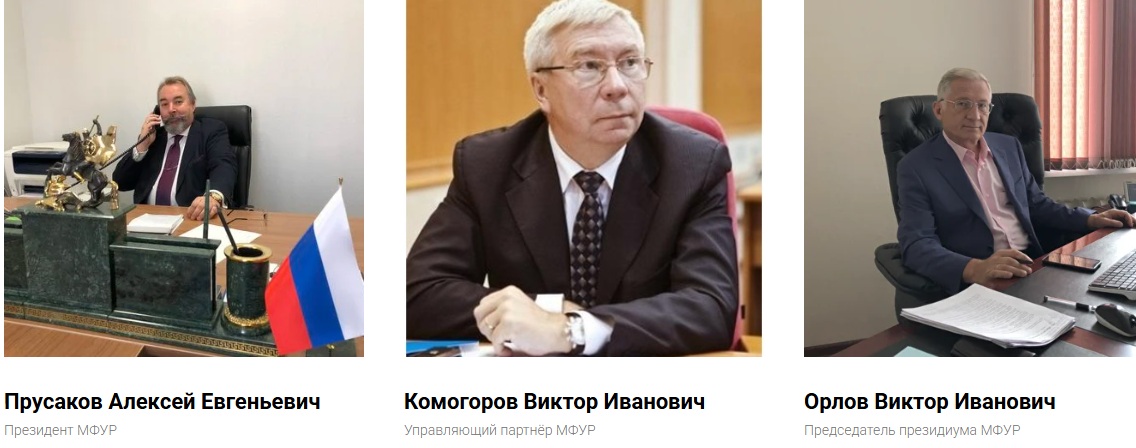
During 25 years, these persons have formed two international business groups and «charitable fund», with declared activity within UN program. We will focus on the activity of this network and its potential security risks for ports in EU and NATO members, in particular, in the Baltic Sea.
The Soviet legacy and group Ekohidrotechnika
This story started under Soviet times when technological fleet of Soviet company «Baltmorput» of the Baltic shipping company worked around the world. Its dredgers deepened water areas in ports and constructed hydrotechnical buildings on all continents. After disruption of the USSR, «Baltmorput» seized its existence. Its ships were privatized in Latvia where its headquarters were located and in Russia.
At least, six ships were privatized by Latvian company Eko-Gidrotehnika Ltd. It set up «sisters» in various countries during next years. They had similar names. Some of them were then liquidated and new ones were organized. Ships were transferred from one company to another company. Companies were owners, commercial or ISM managers of dredgers.
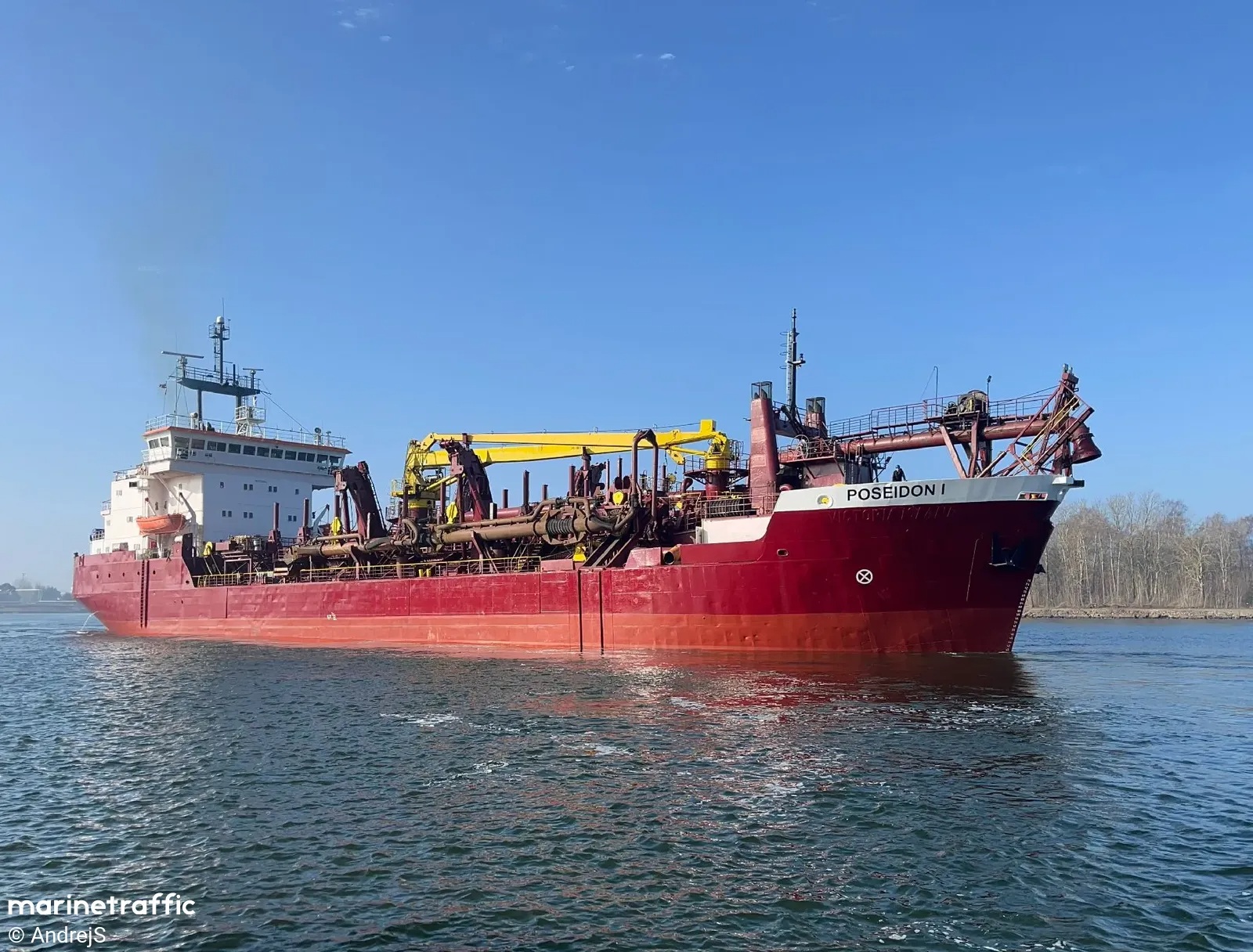
Dredger Poseidon I (ІМO:7330064) in the port of Liepaja, 2025. Photo: Marine Traffic, photographer AndrejS
The report about financial examination of the activity of the Port of Kaliningrad stated that «Kaliningrad sea channel was serviced by American firm «Ecogidrotehnika LTD (director A.Borodin). It was paid 1,054 million USD in 1999. Company Ekohidrotechnika Ltd was registered in 1994 by agent firm in American Delaware. Its legislation hides real owners of business entities registered there. But Borodin is the prominent person of the network.
To be precise, there are two persons named Aleksandr Borodin: Aleksandr (Aleksandrs) Viktorovich Borodin (Borodins), born in 1957, and his 44 years old son Aleksandrs Borodins. There is also a wife of Borodin-junior – Karina Borodina, in this business. Group of Ekogidrotechnika has demonstrated a clear distribution of tasks: Borodins-junior and his wife have largely managed \ owned companies in Latvia whereas Borodins-senior – in other countries.
Old version of the website of Group informed that «Ekohidrotechnika Ltd.» (registered in USA) had independent branches in Russia, Ukraine, Lithuania, Latvia, Germany, Panama and Malta.
Today «Western» part of the Group (EHT Group) and its fleet looks like this:
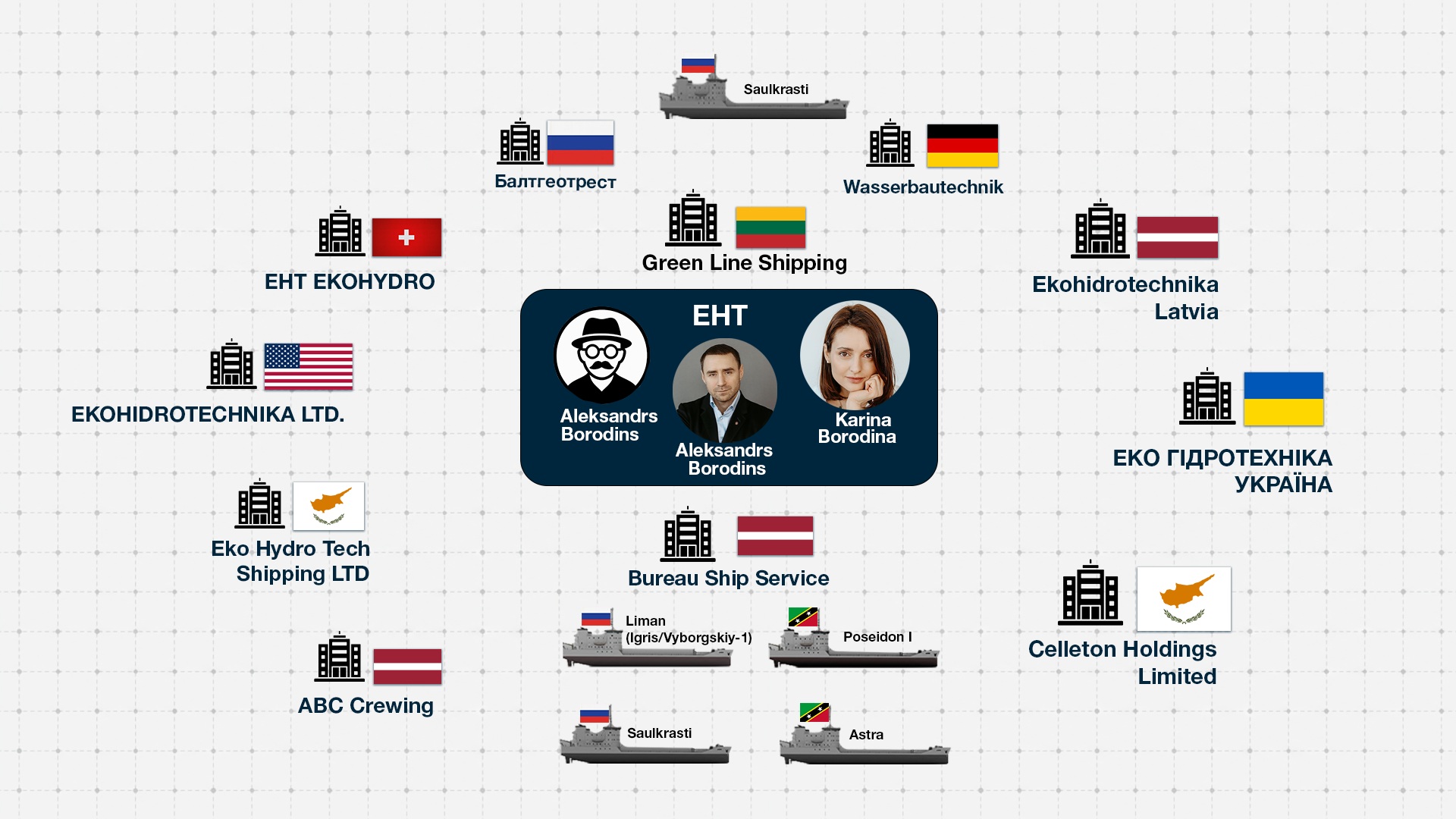
Let us look at companies which have special role for the Group and own assets.
Celleton Holdings Limited was registered in Cyprus in 2008. Its final beneficiary is Aleksandrs Borodins, born in 1957. The company has been managed by secretary companies. In accordance with updated information of IMO database, Celleton Holdings Limited is ship owner of two dredgers -– Astra (IMO:8305767) and Poseidon I (ІМO:7330064). They have flag of Saint Kitts and Nevis. In accordance with Marine Traffic services, both dredgers are now located in the water area of Riga.
It is interesting that Cypriote register indicates Borodins as the citizen of Ukraine, with his address of residence in Hamburg. But data from passport issued in 2013 indicates rather Latvian passport (two Latin letters of a series and seven digits in the number) than Ukrainian one (its old version contained Cyrillic letter and six digits in the number).
Aleksandrs Borodins has a number of the Ukrainian taxpayer as his wife Nina Ivanivna, born in the Ukrainian city of Ochakiv in Mykolaiv oblast, does. Unfortunately, there is almost no open information about Borodins-senior or his photos. It may mean that information was consciously cleansed.
Пройдемось компаніями, які мають особливе значення для діяльності групи і мають активи.

As the overwhelming majority of Latvian companies of the Group, crewing company ABC Crewing, registered in 2010, has the legal address in Riga – Ludzas street, 2. Its beneficiary founders are Olga Kiselyova and Karina Borodina (each has 40%). Borodins-junior owns 20% and is the manager of company.
The company informs that it recruits personnel for technological fleet – dredgers, oil and chemical tankers, bulkers, including ships of Ekohidrotechnika. As specialized website demonstrates, the overwhelming majority of sailors and professionals, who used services of this company during last two years, have been citizens of the Russian Federation.
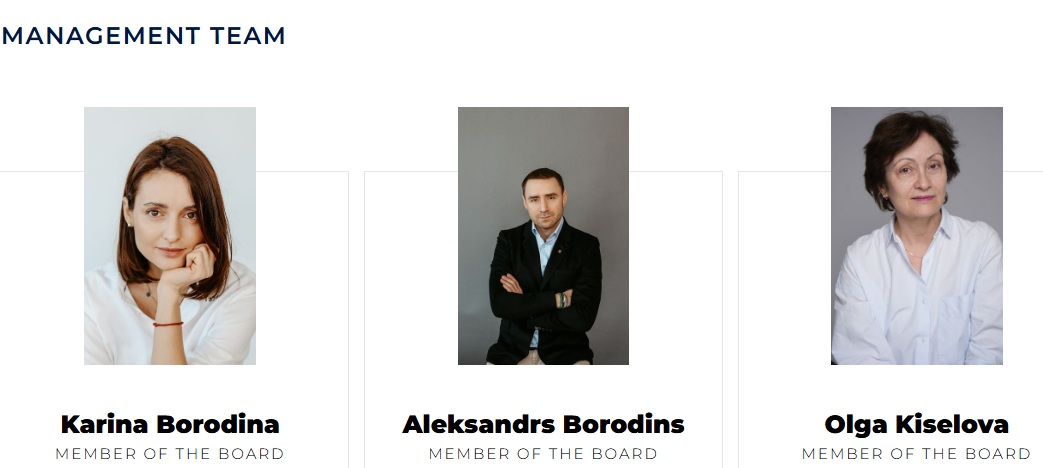
According to the website of the company, it has employed 15 thousand sailors for 50 ships within 15 years.
EHT Group has Ukrainian limited liability company – «Ekohidrotechnika Ukraina», registered in Odesa in October 2012 by Odesa resident Natalia Vlasova who delivers accounting services. In 2013, Aleksandrs Borodins-junior as foreigner tried to get permission to work as director of this company. However, Odesa oblast employment center refused. Borodins submitted an appeal. Supreme Court of Ukraine approved it. In 2014, Odesa company was transferred to Perle Properties Ltd in Cyprus owned by Cypriotes.
Odesa company has been profitable. It leased suction dredger «Ignis» (IMO: 6600620) to Ukrainian companies. Traces of these transactions can be found in court proceedings about indebtedness of lessees. Up to 2015, American «Ekohidrotecnika Ltd» has been the owner of the ship. According to ImportGenius, in 2013, it transported food products with an assistance of «Ignis» from Ukraine. In 2016, it has been mentioned in the criminal investigation of construction of new container terminal in the port of Odesa. It caused losses of 2.4 billion UAH and destruction of breakwater in the Black Sea. The State Security Service of Ukraine suspected a group of foreign companies in money laundering and financial support of «terrorist organizations of Donetsk and Luhans People’s Republics». However, this investigation somehow stalled.
In 2015, registration owner of ship «Ignis» has been Cypriote company Etrecat Limited, owned by Aleksandrs Borodins-junior (he is its current owner). In accordance with monitoring of Blackseanews, in 2015, this ship stayed two times in the port of Yevpatoria during four months, despite EU and US sanctions against closed ports of Crimea, occupied by the Russian Federation. Perhaps, the ship cleaned the fairway and water area near piers of the port, as investigators of the «black list» of violators of Crimean sanction regimes believe.

Suction dredger «Ignis» (IMO: 6600620) in the port of Odesa. Photo: shipspotting.com, Photographer: Vladimir Knyaz
Since then, the ship changed its name two times (Vyborgskiy-1, current name – Liman), its flag – to Russian flag. In accordance with IMO data, the shipowner is the same – Cypriote Etrecat Ltd. However, since 2021, it has been owned by LLC «Bureau of maritime projects and technologies» [Бюро морских проектов и технологий] based in Saint Petersburg. This company is commercial and IMS-manager of the ship. In accordance with Marine Traffic, today Liman stays near the Russian port of Azov (in Kuban). But we should keep in mind that AIC data about water areas in the Black Sea and the Sea of Azov may be compromised by Russian GPS-spoofing, in order to hide entrances of ships to sanctioned ports on the Ukrainian territory, occupied by Russians.
Since its registration in 2015, Aleksandrs Borodins-junior has been final beneficiary of Latvian company Ekohidrotechnika Latvia. His wife Karina Borodina has been its director. Its business profile is trade of cars, equipment, ships and planes. Another website also indicates services on team management, technological and accounting services.
It is easy to notice that the content of the website of EHT Group (please, keep in mind its logo) changes depending on situation with the war of Russia against Ukraine. Its new website does not have information about its separate branch in Russia we cited above. More to that, Russia disappeared from the history of company altogether!
What is more impressing is that its webpage «Technical fleet» demonstrates only two ships – already mentioned Astra and Poseidon whereas it showed five or six ships before the full scale Russian invasion into Ukraine and strengthening of international sanctions against Russian politicians, organizations and businesses.
Where happened to the majority of ships of EHT Group?
First, dredger «Baltic Sea», owned and operated since 1999 by American Ekohidrotechnika Ltd, has been physically destroyed in 2018 in Turkey (it had Turkish flag), in accordance with databases of Equasis і MarineTraffic.
In June 2022, after Russian invasion into Ukraine and strengthening of Western sanctions against Russian Federation, Russian government allowed LLC «Bureau of Maritime Projects and Technologies» to bring out of Russia certain commodities to Latvia, Lithuania and Estonia. These commodities covered … three dredgers «Poseidon I», «Astra» and «Baltic Digger».
Further destination of «Baltic Digger», owned at that time by Cypriote Eko Hydro Tech Shipping LTD, was lost somewhere in Estonia. «Poseidon I» and «Astra» are located now in the Latvian port of Riga.
Other three ships of Ekohidrotechnika are located now in Russia. They have Russian flag. These are Liman (previous names were Igris/Vyborgskiy-1), located in Azov, Aksay (IMO:7802964, previous name is James) and Saulkrasti (IMO:8898506). Last two ships are located in the Russian port of Ust-Luga.
In June 2025, «Aksay» was sold in Russia. New owner did not disclose its name. IMO database contains description «Rptd sold Russia» in the line of owner. This practice has been allowed by IMO rules. Today, Russia actively uses them to form its shadow fleet.
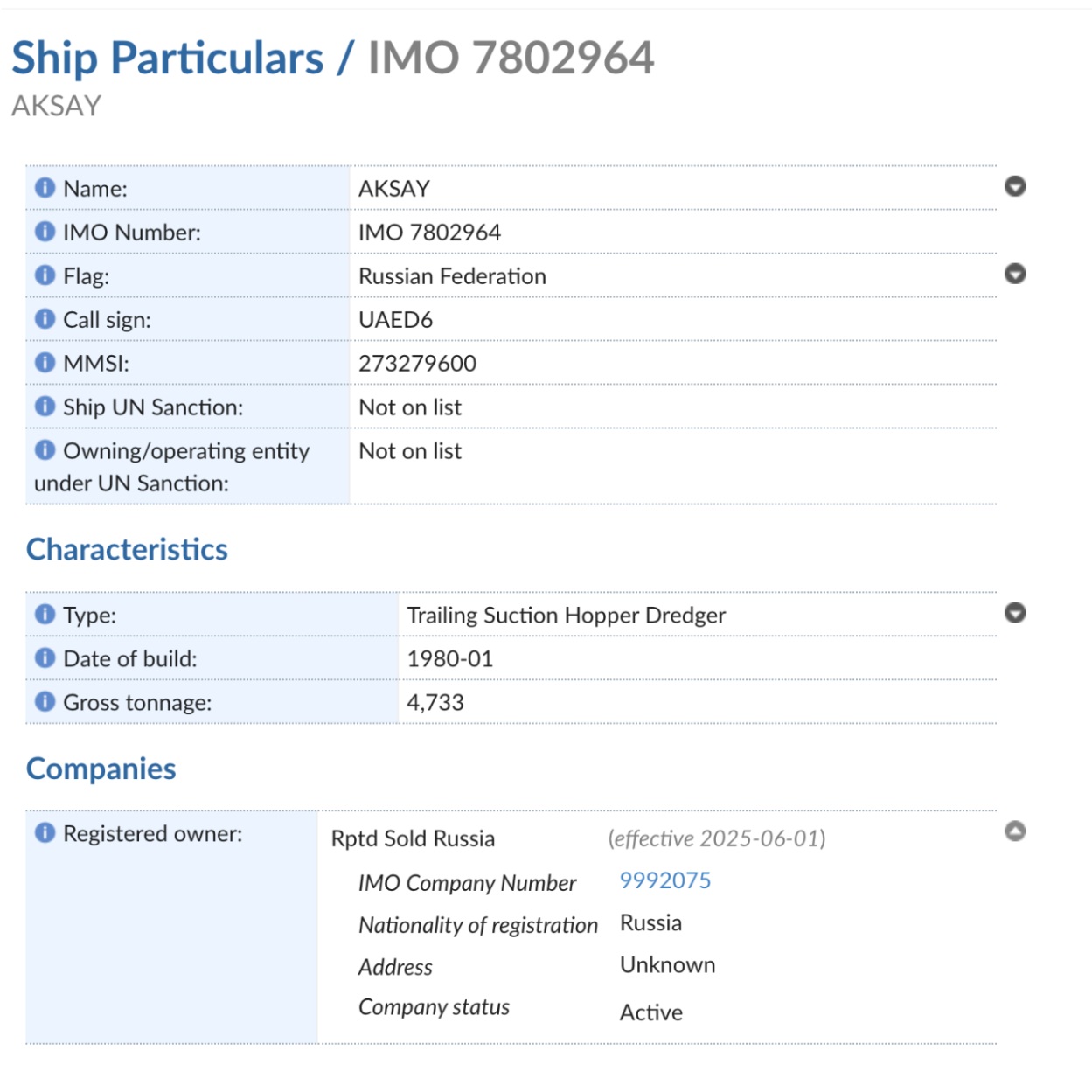
The owner of dredger Saulkrasti is the direct link to businesses of retired officers of FSB.
The owner is company Green Line Shipping registered in Klaipeda, Lithuania, in 2004. Its office in Latvia, registered in 2010 in Riga at the same address as EHT Group, functioned less than one year and was liquidated. Aleksandrs Borodins-junior has been director of this Lithuanian company from 2016 until now.
Green Line Shipping is the founder of two foreign companies:
- BST Wasserbautechnik GmbH, Hamburg, Germany, managing director is Aleksandrs Borodins-senior (later he became its liquidator)
- LLC «Baltgeotrest» («BG-Trest»), Moscow, Russian Federation. Andrei Shkrabo has been its director from 2015 to 2017!
Yes, Shkrabo managed Russian company, founded by Lithuanian Green Line Shipping, managed by one of Borodins. Yes, he was employed by Lithuanian business in Russia when he represented Russia in the humanitarian sub-group of tri-partite contact group in Minsk.

Andrei Shkrabo, representative of the Russian Federation in the humanitarian sub-group of «Minsk-2, illegally entered territory of Ukraine to control the transfer of civilian captives. The Ukrainian city of Shchastia, September 17, 2016. Photo provided by Iryna Geraschenko.
It should be noted that «Baltgeotrest» under Shkrabo’s management received very large revenues as it executed contracts of Russian agency «Rosmorport» for a quarter of one billion Rubles. Yes, despite EU sanctons introduced after Russian occupation of Crimea and then full scale war in Donbas, «daughter» of Lithuanian company worked in Russia and enjoyed profits under the management of retired FSB officer! And it did not even try to hide its origins. Old version of the website of EHT Group informed at that time:
«Company «Ekohidrotechnika Ltd.» (i.e. American company – ed.) is represented in Russia by LLC «BaltGeoTrest» which is allowed to execute contracts with value up to 10 billion Rubles. It conducts preparation for the largest dredging projects»
Aleksandr Attar has been deputy of Shkrabo and then his successor in «BaltGeoTrest». Later he became founder of LLC «Bureau of Maritime Projects and Technologies». This company operates ships «Liman» and «Saulkrasti». It was allowed by the Russian government to withdraw three ships, owned by EHT Group, to Baltic States. Attar represented this company at transport forum in occupied Crimea.
It is also interesting that Aleksandrs Borodins became successor of Attar in another company «Azimut-Vector» (Saint Petersburg) in March 2019. We do not know whether it was Borodins-junior or senior. As Russian hacked databases demonstrate, both Borodins visited Russia in March 2019.
Who has been the final beneficiary of Green Line Shipping? Since 2012, it has been founded by trust company in Liechtenstein and … Ukrainian citizen and resident of Mariupol Volodymyr Viktorovych Litovkin who worked at dredgers in the Baltic Sea. Since 2023, he has been the only owner of the company.

Volodymyr Litovkin near dredger, 2016. Photo: Facebook/Владимир Литовкин
This sailor from Mariupol has been also founder and director of Maltese company Dredging Maritime Company Limited since its creation in 2006. Its data leaked through Paradise Papers. Its account in Facebook refers to the website of Russian company.
In September 2021, the family of Litovkin moved from Mariupol to Transcarpathia. Volodymyr Litovkin registered his business as physical person-enterpreneur in Velyki Luchki near Mukachevo but cancelled its activity in two months.
In May 2025, he was stopped by the Ukrainian road police for violation of traffic rules. He refused to go through alcohol test. The court confirmed that he was guilty of administrative offence, he submitted an appeal but did not attend court hearings.
We succeeded in contacting Volosymyr Litovkin by phone. We asked him how he, the Ukrainian citizen, managed to develop large business in partnership with high rank officers of FSB. He answered «I am not inclined to talk about it» and sighed. He stated that he «worked» in Riga.
Registration data of another important company from EHT Group – «Bureau Ship Service» – also has signs of fake beneficiaries. This Bureau has been commercial and IMS-manager of «Saulkrasti» and «Liman», working in Russia, and «Astra» and «Poseidon I», staying in the Latvian port of Riga.
Since 2021, Homenko Jūlija has been sole owner and manager of this serious company. The only person we found with the same name, surname, date of birth and residence address is 50 years old fitness trainer Julian Homenko. The website of club «myfitnes» includes her among its trainers. Perhaps, she also manages security issues and commercial acitivty of dredging ships?

Julia Homenko, fitness trainer, 2023. Photo: Facebook MyFitness Latvia
This Bureau does not have its own website (indicated address says «under reconstruction»). Its contact information can be found at the website of EHT Group. We assume it may share the same office.
Journalist of CJI dialed phone number of Aleksandrs Borodins-junior. The man confirmed that it has been him. But after our journalist introduced herself and started asking questions, this man hanged up the phone (the record is kept at CJI). No other phones of companies from EHT Group answered. Our requests for comments, sent through messenger, were also left unanswered. If Mr Borodins will provide his comments about cooperation with Russian business, connected with retired high rank officers of FSB, – we will publish them.
GDP Group and «charitable fund» of FSB officers
Below is the screen of website of Russian group of companies GDP Group. Its domain was registered in the middle of 2015. An access to the website was suspended in December 2024. However, it is still accessible through web archives. The Group is not legally registered as unified entity but it is united by joint activity and founders of business entities in several countries.
Its webpage displays logos of three companies: Latvian Ekohidrotechnika, Russian «daughter» of Lithuanian Green Line Shipping – «BaltGeoTrest» – and Russian company «Baltinvestproekt». This page covers all technological fleet of EHT Group whereas separate page «Implemented works» – dredging works performed by ships of the Group in ports of various countries up to 2022. You can easily notice that design of this Russian website is very close to the design of the old website of EHT Group.

What company is «Baltinvestproekt» connected with legal entities in Latvia and Lithuania?
Since its creation in December 2014 untlll today, it has been owned by two persons – Komogorov Viktor Ivanovich and Dzamikhov Akhmed Mukhamedovich (equal parts).
Colonel General Viktor Komogorov has been Deputy Director of FSB from 1999 to 2004 and has headed the Service of operative information and international relations, better known as the 5th Service of FSB, focused on activity abroad, mainly, in countries of former USSR (he has been supervisor of Shkrabo). Russian media talk about close relations of Komogorov with Nikolai Patrushev, ex-Director of FSB and current Maritime Board (Collegium), set up last year in the Russian Federation. What a coincidence!
Akhmed Dzamikhov is also very interesting figure. There have been a lot of media reports about seizure of his vodka factory, with involvement of Chechen police. The conflict was somehow settled, and Dzamikhov became business partner of Generals Komogorov and Orlov. Akhmed Komogorov has been founder of other two companies – «Gidipi-geo» and «IVEK». They stopped their activity on the same day in 2023 (their liquidator – A.Shkrabo). Shkrabo transferred share of «IVEK» in LLC «Gidipi group» to Artur Dzamikhov, son of Akhmed (76%). Remaining parts of statutory capital have been owned by JSC «Institute of Technologies of Sustainable Development» (ITUR), created with participation of another entity of FSB officers – «International Fund of Sustainable Development».
This Fund has been founded in 2018 by LLC «Gidipi group», Viktor Komogorov, Yurii Alekseev and Aleksei Prusakov. The last person is the president of the Fund. He says in his address at the website of Fund:
«Permanent staff [of the Fund] is predominantly senior officers of intelligence services in reserve who would like to be useful for their Motherland. They have impeccable personal and professional reputation, share «all-people» values and possess necessary communication skills and opportunities».
Colonel General Viktor Komogorov is the managing partner of the Fund, Lieutenant General Viktor Orlov is the head of its presidium, Anna Bakulina – vice president on consulting, projects and sustainable development.
The Fund tries to persuade that it has been created to support UN Program «17 Goals of Sustainable Development» (active until 2030). The Fund’s website is filled with information, materials and pictures from UN web-resources. However, it says nothing about its own events or projects. Google search does not bring any results about Fund’s activity. It means that the Fund was created as «the cover» for international activity of FSB officers.
What role have citizens of EU and NATO countries played in this activity of FSB? We assume that their intelligence services and their partners in Ukraine must answer this question.
We asked Pavlo Lakiychuk, Head of security programs of «Center for Global Studies «Strategy XXI», and Ksenia Pidruchna, Director of the Association of Maritime Agencies of Ukraine, to provide an analysis of potential risks and threats of joint businesses of Russian intelligence services and EU citizens in EU ports.
Analysis of risks and threats
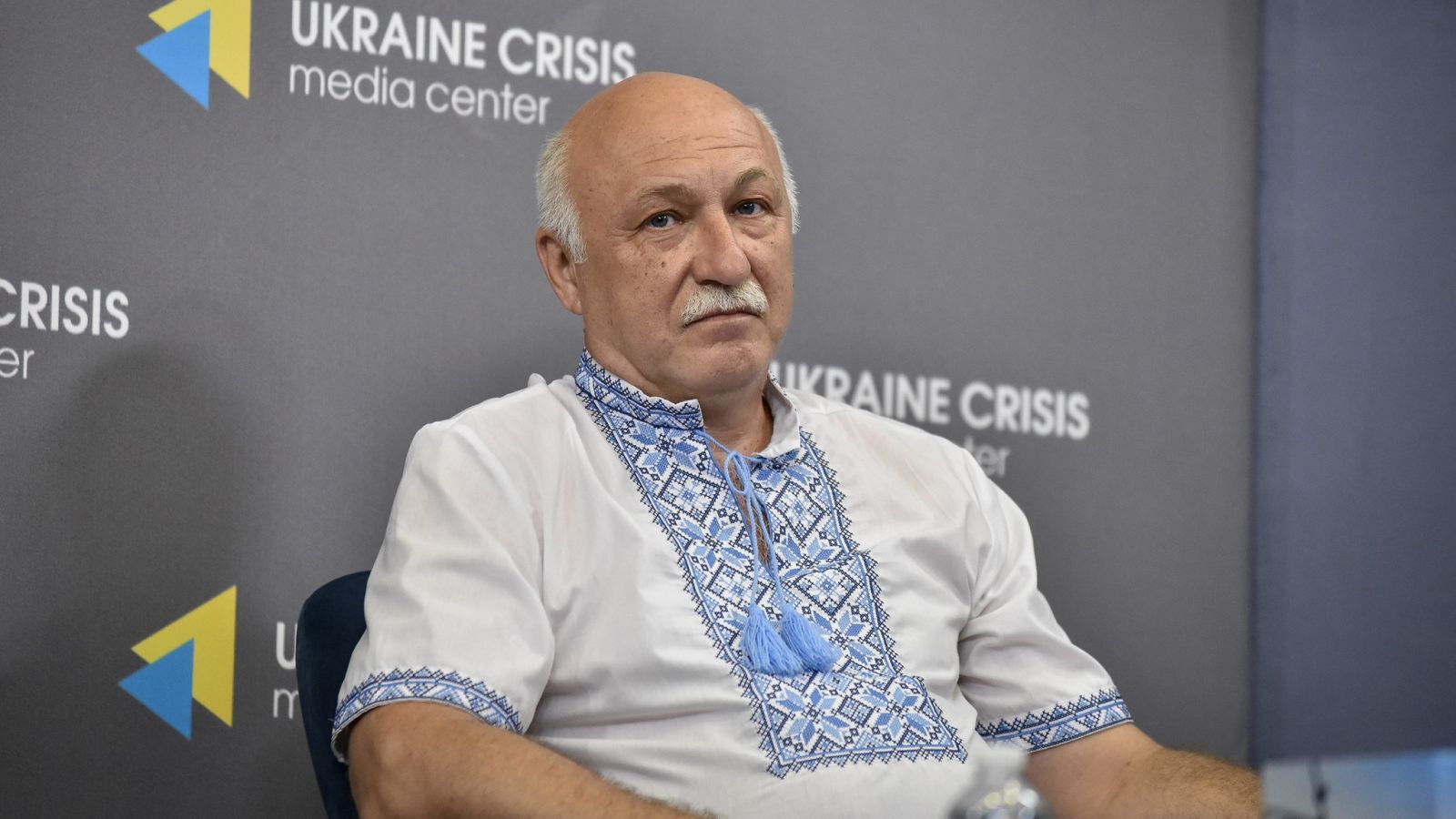
Pavlo Lakiychuk, Head of the security programs of Center for Global Studies «Strategy XXI», captain 1st rank in reserve. Photo: uacrisis.org
Russian intelligence services have used civilian companies to penetrate into critical spheres of «enemy» for a long time. It is quite successful work as many politicians say: let’s make friendship and allow Russians to build nuclear power stations; let us allow Russians to build hydro-technical constructions; let us allow Russians to build radio towers… Who will be able to say where Russians hide their «Trojan horse»?! Today they cut underwater cables somewhere in the sea but then «somebody» will do sabotage actions inside ports. How to identify unknown «somebody»? It is very difficult as any legal entities in ports are properly registered.
How did Russians achieve it? It is about evolution of Russian military political intelligence services after the disruption of Soviet Union. Human intelligence had three levels. The strategic level is the highest and most complicated. It is about illegal agents who have infiltrated into foreign countries for many years and recruited agents of influence.
The second level is about the work under diplomatic cover. Attaches, military attaches under embassies were always intelligence officers. They were de jure appointed by the President but the were de facto officers of the Main Intelligence Department of the General Staff of the Armed Forces of Russian Federation.
The lowest level has been about human and operational intelligence of military districts and fleets. Each fleet had its own intelligence point. It covered shipping companies, inter alia. Its main task has been about intelligence in ships with the use of possibilities of shipping companies, about recruitment of captains and members of crews of civilian ships, in order to collect intelligence information, sabotage etc.
When the USSR disrupted, state owned enterprises were privatized. Former Soviet KGB-FSB agents tried to enrich themselves. I think that Putin is one of prominent examples of such a behavior. He covered the Baltic shipping company and its office in Leningrad port. Under the cover of post-Soviet intelligence services, privatization of port services and smuggling created first big fortunes. Thus, many army officers and FSB officers suddenly became directors, fake or real beneficiaries of business entities and assets.
When today Russian citizen Patrushev, former head of FSB and Secretary of Russian Security Council, current head of Maritime Board, visits Novorossiysk, we should not look at his official meetings. We should at whom he meets personally. He meets directors of port companies. When we analyze their biographies, we find out that they generals and colonels of FSB in reserve. In fact, they keep doing their intelligence work under the cover of civilian company. Europe is full of almost legal networks of agents of FSB and Main Intelligence Department. However, current European legislation does not allow counteracting or fighting them.
When Russians make cable lines or construct some objects in Europe, they do it on completely legal grounds. Everybody knows that it might be intelligence activity but nobody can do something about it. But it is not good! It is obvious that Europeans should change their professional and legislative approaches towards this issue.

Ksenia Pidruchna, director of Association of Maritime Agencies of Ukraine, Photo: facebook.com/kseniia.diligent
It is obvious that when company of «aggressor state» has an access to dredging works in water areas of EU countries, this company has all possibilities to collect detailed data about underwater infrastructure of ports (maps of sea beds, depths, cables, pipelines etc). This information can be transferred to intelligence services for planning attacks, sabotage etc. For example, it is about destruction of cables in the Baltic Sea where Russian ships are main suspects.
Civilian ships can use equipment for scanning (sonar, GPS) and identifying strategic objects. In accordance with the website of Ekohidrotechnika, sonar surveillance identifies technical objects on sea bed, magnetometer – metal objects (cables) whereas measurement of depths (precision – 1 sm) and GPS (precision – 0,5 m) allows creating digital models of location (DXF format). These models can be used for intelligence or planning sabotage.
The company uses software CREDO for processing surveying data. This software comes from Russia (it was developed by CREDO-DIALOGUE – https://credo-dialogue.ru). As an outcome, it can be vulnerable for data leaks or built-in «backdoors» and transfer of sensitive information to Russia.
There are risks about Russian crewing companies recruiting sailors for foreign ships. It can be infiltration of agents of FSB \ Main Intelligence Department under disguise of sailors for collection of data about port infrastructure (maps, logistics, security) during any works or stay. For example, this is the case of Russian sailors in the Baltic Sea in 2025 when the crew of so-called shadow fleet identified cables. Recruitment of sailors can be also about introduction of sabotage agents into crews. They can be aimed at damaging equipment of ships and cables during arrival of ships to ports. As an outcome, the work of ports can be blocked or there can be accidents.
FSB agents at ships (or recruited crew members) can launch drones from ships or install equipment for suppressing \ spoofing GPS signals. It happens right now! As my colleagues from Lithuania witness, ships are forced to enter ports with an assistance of paper maps because Russians use GPS-spoofing in the Baltic Sea.
This investigation is conducted under support of Program «Stronger Together: Media and Democracy» being implemented by WAN-IFRA in partnership with Association «Independent Regional Publishers of Ukraine» and MBL under support of Norway. Views of authors not necessarily reflect views of program partners.